The Historical Journey From French Salons To Contemporary Casinos
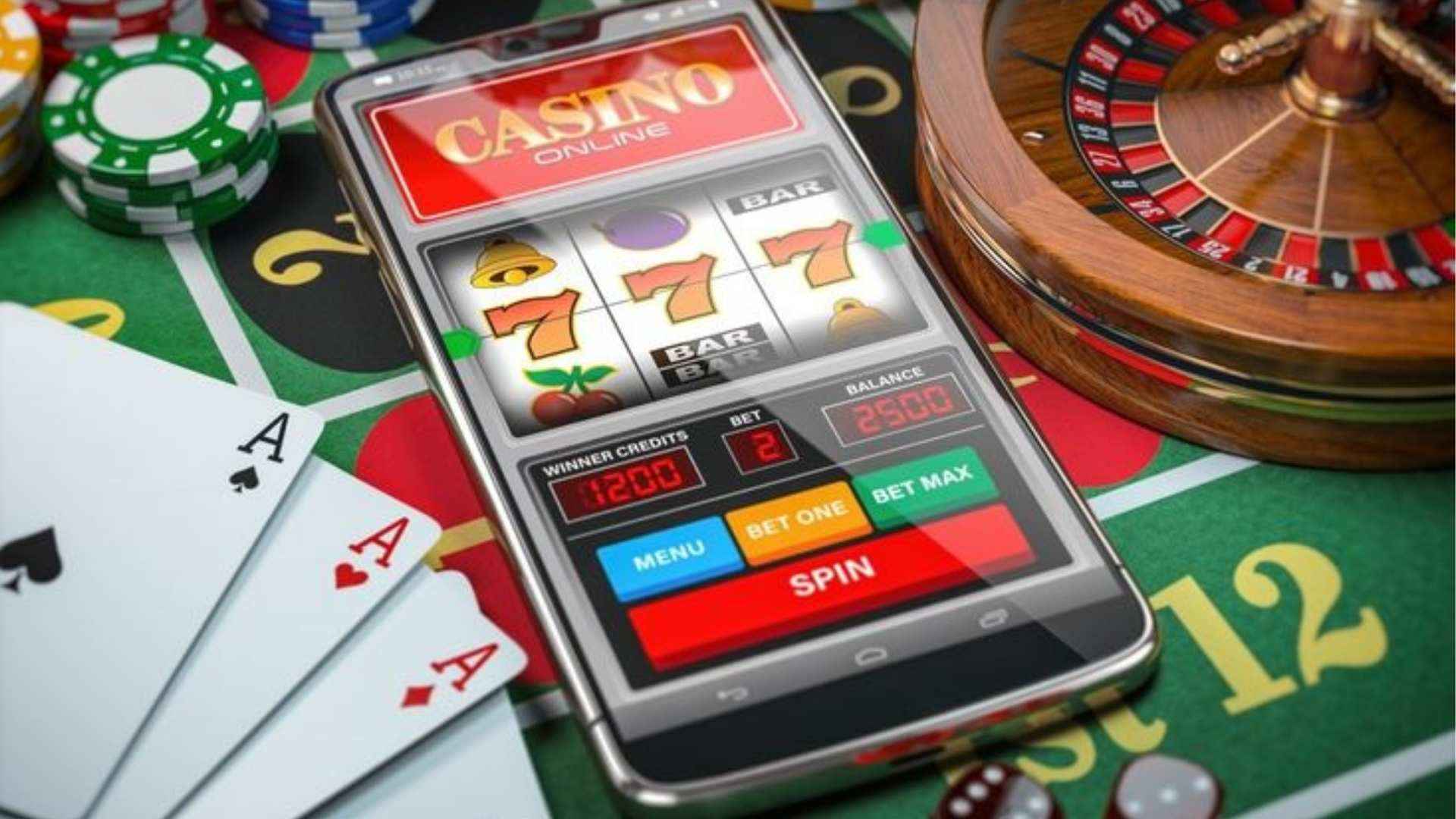
The evolution of wagering environments shows a remarkable shift from the intimate gatherings of the European elite to the sprawling digital networks of the modern era. Centuries ago, gaming was tightly woven into the social fabric of high-society gatherings, where etiquette and personal interaction defined every wager. Today, technological innovations have democratized these historic pastimes, making them available instantly to a global audience through digital interfaces.
The Elegance of the French Gaming Salon
In eighteenth and nineteenth-century France, private salons served as the premier hubs for sophisticated recreation and intellectual conversation. Within these exclusive rooms, card games like baccarat and chemin de fer emerged not merely as risk-oriented activities, but as elaborate social rituals. Participants followed strict behavioral codes, and the act of gaming was heavily intertwined with status, reputation, and noble networking.
Unlike modern institutional setups, the banking responsibilities in these salons often rotated directly among the wealthy guests. This design ensured that every round remained a deeply personal contest of nerve and resource management among peers. The sophisticated atmosphere of these gatherings established a foundational legacy that would heavily influence how casino operations structured their table games for decades to come.
The Transition to Centralized Gambling Houses
As the legal landscape evolved across Europe, the informal nature of private salons gradually gave way to structured, state-sanctioned gambling institutions. Iconic destinations like Monte Carlo synthesized the grandeur of traditional French decor with a centralized business model. This crucial shift moved the financial responsibility of the bank from individual players to the venue itself, creating a more predictable environment.
This institutionalization allowed for a major expansion of table options and formalized regulations to guarantee game integrity. The architectural design of these classic venues purposely mimicked the upscale aesthetic of historic salons to retain an aura of luxury. Consequently, the transition preserved the high-stakes drama of the original card rooms while welcoming a broader cross-section of global society.
The Digital Revolution and Modern Accessibility
The dawn of the internet age triggered the most radical transformation in gaming history by removing all physical and geographical constraints. Modern enthusiasts no longer need to travel to historic European venues or adhere to strict dress codes to enjoy traditional table structures. Sophisticated digital platforms recreate the complete mathematical mechanics of classic games while utilizing automated dealers to manage complex rules instantly.
Contemporary players looking for a streamlined, reliable environment can seamlessly visit a platform like m88 to explore various table configurations. These digital systems successfully preserve the foundational tension of traditional card comparisons while dramatically accelerating the overall pace of play. By integrating live streaming elements, operators bridge the historical gap between authentic human dealers and digital convenience.
The Lasting Legacy of Historic Card Systems
Reflecting on the historical path of casino culture highlights the incredible endurance of core gaming concepts across different centuries. While the visual delivery systems have transitioned from candlelit drawing rooms to smartphone displays, the primary psychological appeal remains identical. The balance of pure chance and calculated risk continues to captivate players regardless of the environment.
Ultimately, tracing this journey provides a deeper appreciation for the structured entertainment formats enjoyed by millions today. Recognizing how personal elite contests evolved into a standardized global industry offers valuable context for modern gaming enthusiasts. The continuous adaptation of these classic systems ensures that the spirit of the old French salons remains alive in the contemporary digital landscape.